Let me ask you a question…
What if I told you there exists a food so strange, so bizarre, so utterly shocking to the senses that most Westerners would rather eat dirt than try it?
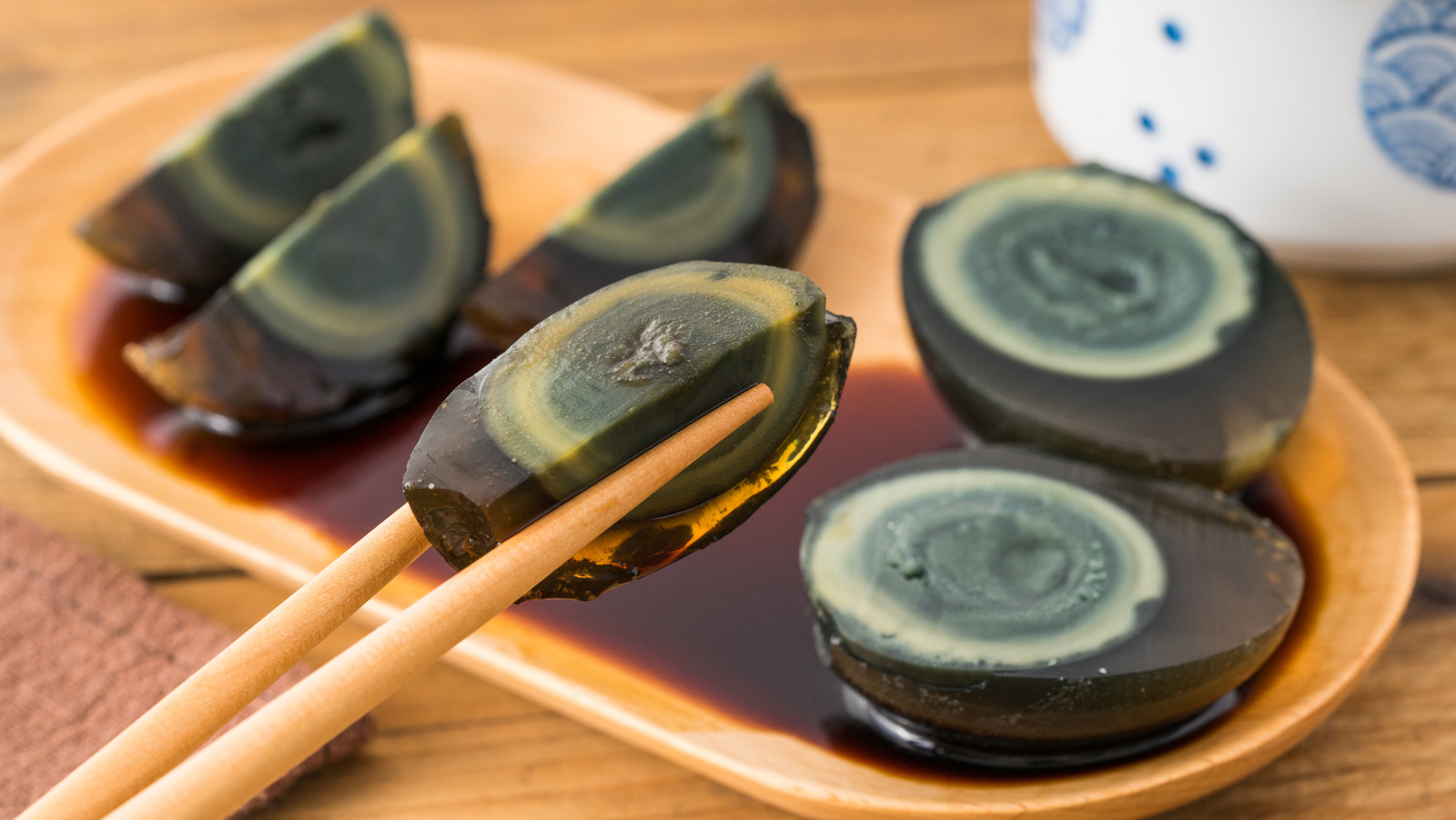
A food that looks like something from a science experiment gone wrong.
A food that smells… well, let’s just say it gets your attention.
I’m talking about the Century Egg.
Now, hold on.
Before you click away in disgust, hear me out.
Because what I’m about to reveal isn’t just a culinary oddity. It’s a story of survival. Of ancient genius. Of turning rot into riches.
And it might just change the way you think about food forever.
The Accidental Miracle That Defied Decay
Picture this.
It’s ancient China. A farmer has too many duck eggs. He knows they’ll spoil in days. He’s desperate.
Maybe, by chance, he drops some into a pit of wet ash and slaked lime left by builders.
Weeks pass.
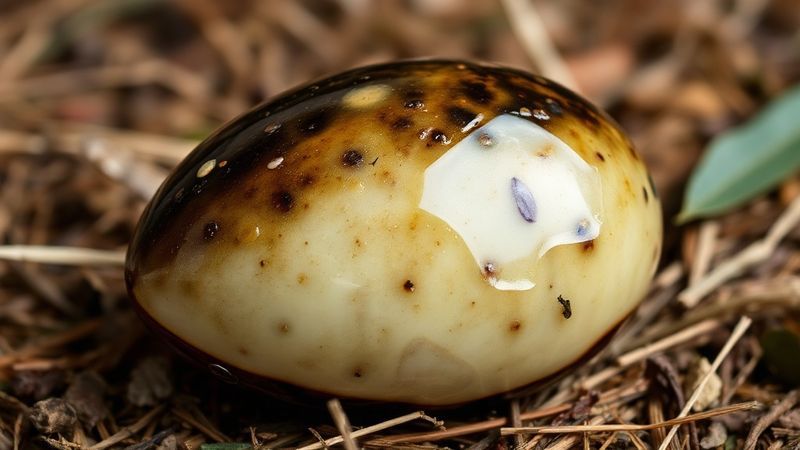
He remembers. Digs them out. The shells are weird. Dark. Patterned like pine needles.
He cracks one open…
And instead of a rotten mess, he finds a jewel.
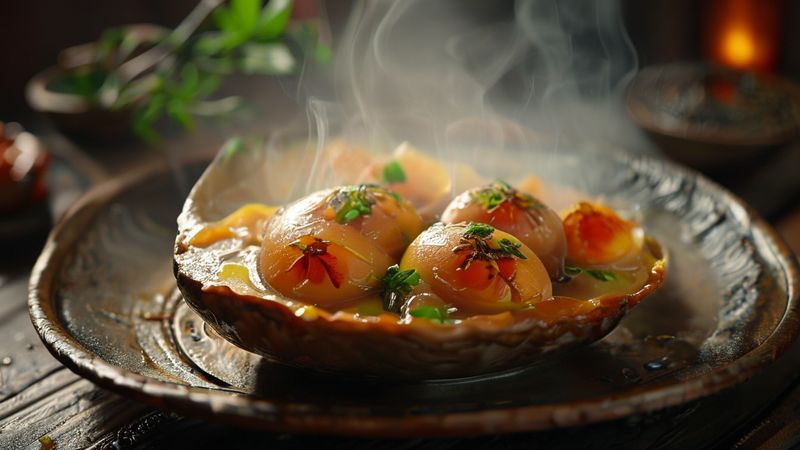
A translucent, amber-black jelly. A creamy, green-grey center. The smell is pungent, sharp… like ammonia and deep earth.
He tastes it.
And a revolution is born.
This wasn’t magic. It was chemistry before chemistry had a name.
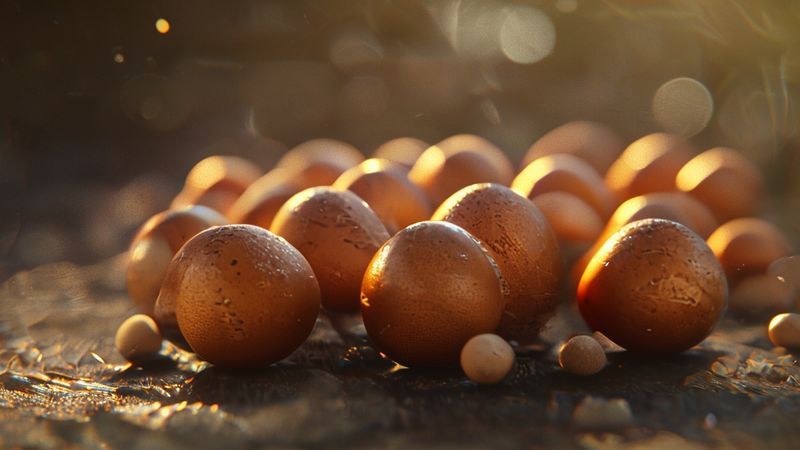
The alkaline mire (clay, ash, quicklime, salt) created a pH so high (9-12) it *forced* the proteins in the egg to break down and reconfigure.
It didn’t rot the egg… it *transmuted* it.
The white became a firm, salty, umami-rich gelatin.
The yolk became a smooth, complex custard with hints of sulfur and metal.
It was preservation through alchemy.
And it could last for months… even years.
Hence the name “Century Egg.” Not because it’s 100 years old, but because it tastes like it *could be*.
Why Does It Smell Like “Fresh Death”?
Let’s address the elephant in the room.
That smell.
First, the myth: NO, they are NOT soaked in horse urine. That’s a tall tale born from the unique aroma.
The truth is more fascinating.
The high-alkaline environment triggers a biochemical war inside the shell. Proteins and fats are shattered. Amino acids like cysteine break down.
This releases volatile compounds: hydrogen sulfide (think rotten eggs) and ammonia (think cleaning products).
To the uninitiated nose, this combo is… challenging.
It smells like a chemistry lab crossed with a barnyard.
But here’s the secret…
That “death” smell is the smell of *transformation*. It’s the signature of a process that conquered spoilage.
To millions across Asia, that smell isn’t foul—it’s the *fragrance of anticipation*.
It’s the promise of the incredible taste to come.
The Forbidden Alchemy: How It’s Really Made
The old way was an art.

A thick paste of wood ash, calcium oxide (quicklime), salt, and tea. Each egg lovingly hand-coated, rolled in rice hulls, and buried in a clay jar for weeks or months.
The paste hardens to stone. Inside, the silent miracle occurs.
But then… progress.
Modern factories found a shortcut: soak eggs in a solution of salt, sodium carbonate, and calcium hydroxide. Faster. Cheaper.
But some got greedy.
To speed it up even more, a few bad actors added lead oxide. A deadly poison. Others used industrial-grade copper sulfate, laced with heavy metals.
Scandals erupted. Factories were shut down.
The lesson? True century eggs are a slow art. The safe, traditional way uses zinc oxide as a catalyst. It’s regulated. It’s clean.
The danger isn’t in the egg… it’s in the corner-cutting.
The Shocking Nutritional Payoff
You think this is just a weird snack?
Think again.
This process doesn’t just preserve; it *enhances*.
The alkaline treatment changes the very amino acid profile. It increases compounds like leucine and glutamine.
The result?
- High Protein: About 13% by weight.
- Rich in Umami: The breakdown creates natural glutamates, the essence of savory flavor.
- A Mineral Boost: From the ash and clay.
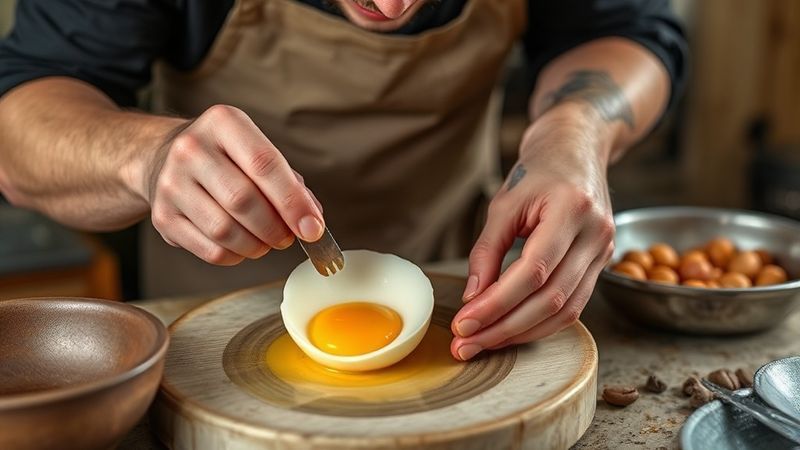
A word of caution: They are very high in sodium. One egg can pack over 150% of your daily sodium needs. It’s a condiment, not a main course.
This is concentrated flavor. A nutritional powerhouse born of necessity.
How the Masters Eat It (And Why You’re Missing Out)
This is where the magic happens. You don’t just gnaw on a century egg.
You *compose* with it.
It’s the ultimate flavor amplifier.

In Canton: Sliced into elegant wedges, served cold with pickled ginger. The ginger’s sweet sharpness cuts the richness. It’s a perfect, simple duet.
In Shanghai: Diced over silken, chilled tofu. Drizzled with soy, sesame oil, and sprinkles of bonito flakes. It’s a textural dream—cool, soft tofu against the firm, savory egg.
The Ultimate Comfort Food: Century Egg and Pork Congee. Imagine a creamy, hot rice porridge. Swirling with shreds of tender pork. Studded with quarters of century egg. Each spoonful is warm, savory, salty, and deeply complex. It’s healing. It’s breakfast. It’s a hug in a bowl.
At the Banquet: The “cold platter” (*lahng-poon*). Slices of egg beside barbecued pork, jellyfish, and pickled vegetables. It’s the opening act—a bold statement that the feast has begun.
Do you see?

The Century Egg isn’t eaten alone. It’s a team player. It makes everything around it taste *more*.
The Final Verdict: Treasure, Not Trash
So, let’s be blunt.
Yes, a Century Egg looks like something a dragon laid.
Yes, it smells… memorable.
But this “taste of fresh death” is, in reality, the taste of human triumph.
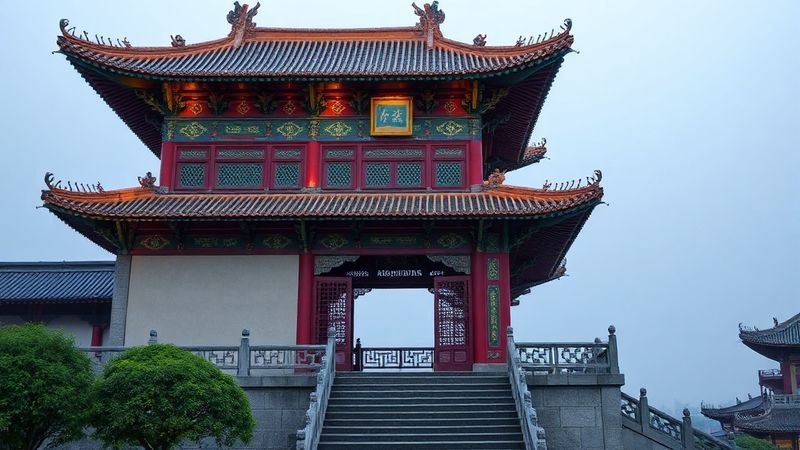
It’s the taste of an ancient farmer beating starvation.
It’s the taste of chemistry creating something entirely new from something ordinary.
It’s a bold, unapologetic flavor that has survived for centuries because it *delivers*.
The next time you see one—dark, gleaming, intimidating—don’t think “rot.”
Think “resurrection.”
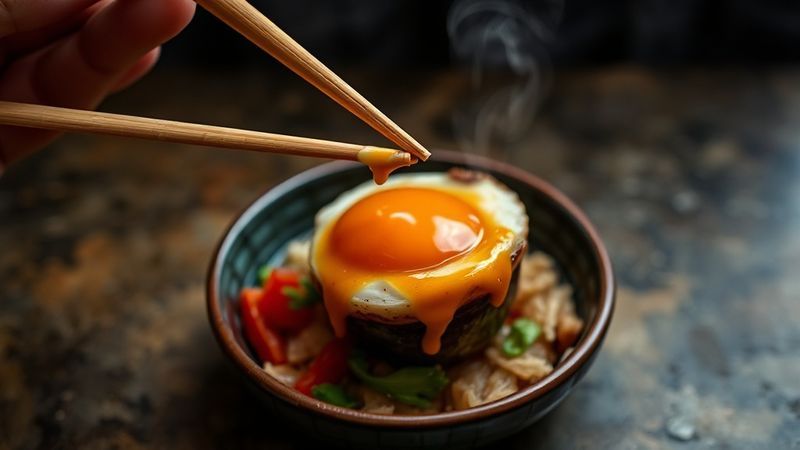
Think of the ingenuity it represents.
Then, be brave. Slice it. Pair it with ginger and vinegar.
Take a bite.
You might just discover that the greatest treasures…
…are the ones that dare to smell different.

P.S. The real risk isn’t the taste. It’s never tasting it at all. You’ll survive the smell. But will you survive the regret of missing out on one of food history’s greatest stories? The choice is yours.