
There is a silent crisis happening in your Ads Manager right now. It’s not about high CPMs. It’s not about creative fatigue. It is about blindness.
If you look at your Stripe or Shopify dashboard, you see the revenue. You see the purchases. But when you look at Facebook or TikTok Ads Manager, those sales are missing. It's as if these buyers don't even exist in your current data.
you're missing sales from your most valuable buyers
Why? Because the people buying your most expensive products—the "Whales," the high-AOV customers, the repeat buyers—are invisible to your tracking pixel.
You are optimizing your entire business for the bottom 70% of the market simply because they are the only ones you can see.
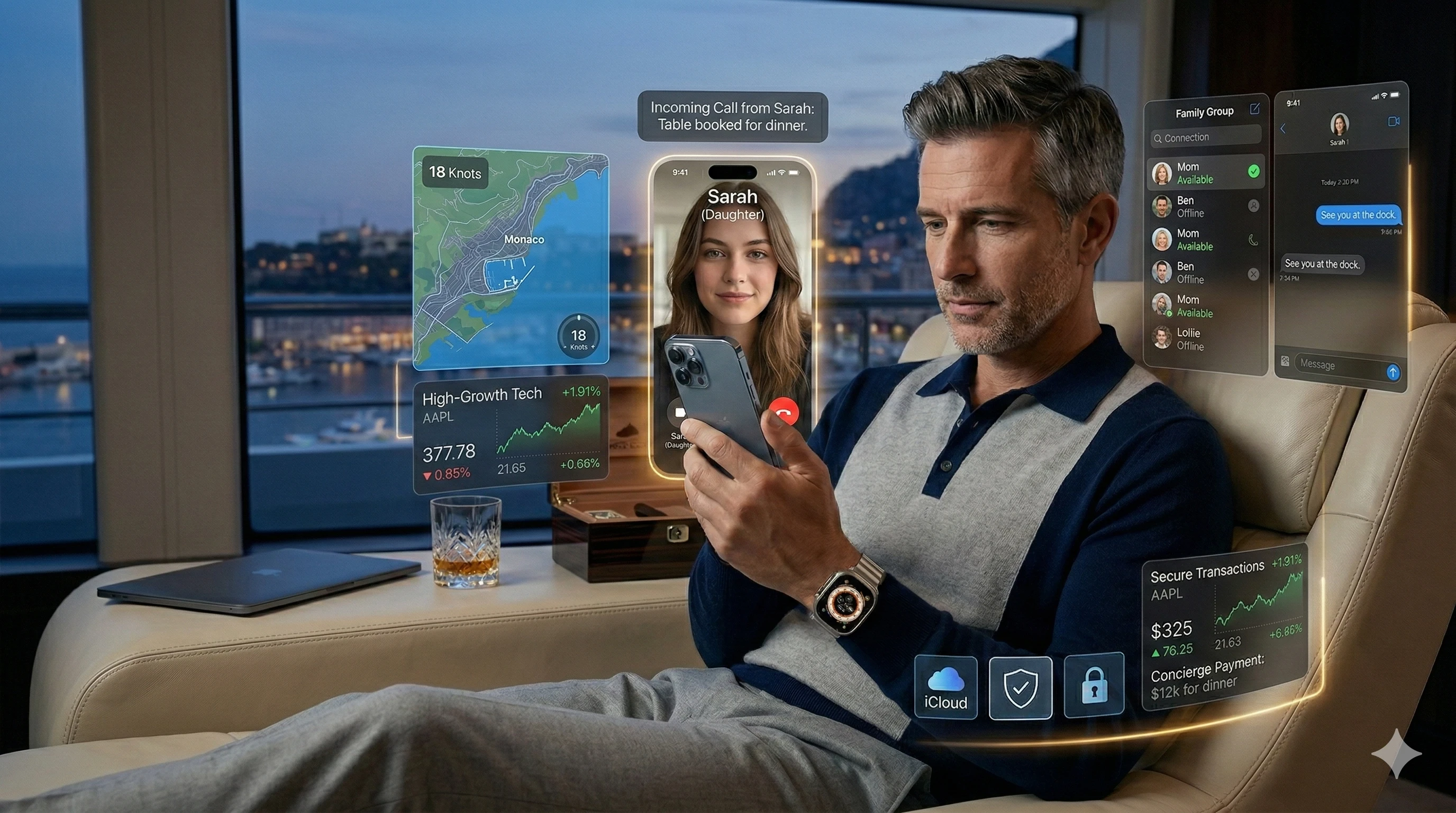
The Privacy Luxury Tax
The uncomfortable truth about digital marketing in 2026: Privacy is a luxury good. One only the rich iPhone users can afford having.
The user with a cheap Android phone, using the default Chrome browser, logged into everything, with no ad-blocker? You can track them perfectly. The Pixel fires, the data matches, and the algorithm learns to find more people like them.
But what about your ideal customer?
The affluent buyer uses an iPhone 15 Pro Max (iOS 17+ blocks tracking by default). They browse with Brave or Safari (Intelligent Tracking Prevention). They use a paid VPN (NordVPN, ExpressVPN) to mask their IP address. They use "Hide My Email" services. THEY ARE INVISIBLE TO YOU.

These users: the top 30% of the economy, have erected a fortress around their data.
When they buy your $200 product, the Pixel is blocked. Facebook never gets the signal.
As a result, the algorithm thinks your ads didn't work. It stops showing ads to wealthy people and starts doubling down on the lower-tier users who are easier to track.
You are training your AI to hunt for low-value (poor) targets.
The Death of the Browser Pixel

For a decade, we relied on the Browser Pixel.
It was a simple piece of code that "called home" whenever a user visited a page.
That era is over.
Between Apple’s App Tracking Transparency (ATT), Firefox’s Total Cookie Protection, and the death of third-party cookies, the browser has become a hostile environment for data. If you are relying solely on the Pixel, you are trying to listen to a conversation through a soundproof wall. You might hear a mumble now and then, but you are missing the details.
The Server-Side Revolution (CAPI)

The industry’s answer to this is CAPI (Conversions API).
Instead of relying on the user’s browser (which lies to you), CAPI creates a direct bridge between your server (Shopify, WooCommerce, ClickFunnels) and the ad platform (Facebook, TikTok).
When a "Ghost User" buys your product:
- Their browser blocks the Pixel.
- But your Server records the transaction securely.
- Your Server sends that data directly to Facebook’s Server.
- The browser is bypassed entirely. The signal is restored.
Suddenly, the algorithm realizes: "Wait, wealthy people ARE buying this." It re-calibrates. It starts bidding for the high-value iOS users again. Your ROAS stabilizes.

Why Standard CAPI Isn't Enough
Most people turn on the "Automatic CAPI" integration in Shopify and think they are safe. They aren't.
Sophisticated users (your best customers) often scramble their metadata. They use data centers for IPs. They strip URL parameters. Standard CAPI integrations often fail to match these users because the "Match Quality" score is too low.
If you send the data but Facebook can't match it to a user profile, it’s useless.
Enter Phantom Tunnel

To capture the true "Ghost Tier" of the market, you need infrastructure that is as sophisticated as the privacy tools your customers are using.
Phantom Tunnel is the elite standard for server-side tracking.
It doesn't just send data; it enriches it. It tunnels conversion events through a secure, server-side environment that maximizes Match Quality scores. It ensures that when your high-net-worth customer buys from a VPN-enabled device in a privacy browser, the signal still gets through loud and clear.
Bypass Ad Blockers: Because the signal comes from the server, no browser extension can stop it. iOS 17 Proof: First-party data ownership means Apple’s restrictions don't apply the same way. Attribution Reclamation: See the 30% of revenue you didn't know your ads were generating.
It's up to you to make a decision...

You can keep running your ads based on the data from the easiest-to-track users (low income, low privacy). Or you can build the infrastructure to see the Invisible Economy of high wealth individuals.
The whales are out there. 🐋 They are buying. 💸
You just need the right sonar to see them. 📡
QUIT flying blind. 🙈